PPE Requirements for SPF Application
Isocyanates and other SPF chemical components are skin and eye hazards, not just inhalation hazards. Uncontrolled skin contact with uncured SPF chemicals can cause irritation and, with isocyanates specifically, contribute to sensitization over repeated exposure — which is why full-body PPE coverage is standard practice for anyone in the direct spray zone.
OSHA's general PPE standard, 29 CFR 1910.132, sets the framework every employer has to follow: assess the hazard, select PPE that addresses it, provide it at no cost to the employee, and train people on how to use it. It doesn't name SPF specifically, but it's the standard your PPE program has to satisfy.
OSHA's general PPE standard — requires a documented hazard assessment, proper selection, and training for any required personal protective equipment.
What this program element needs to cover
Full-body coverage for the applicator
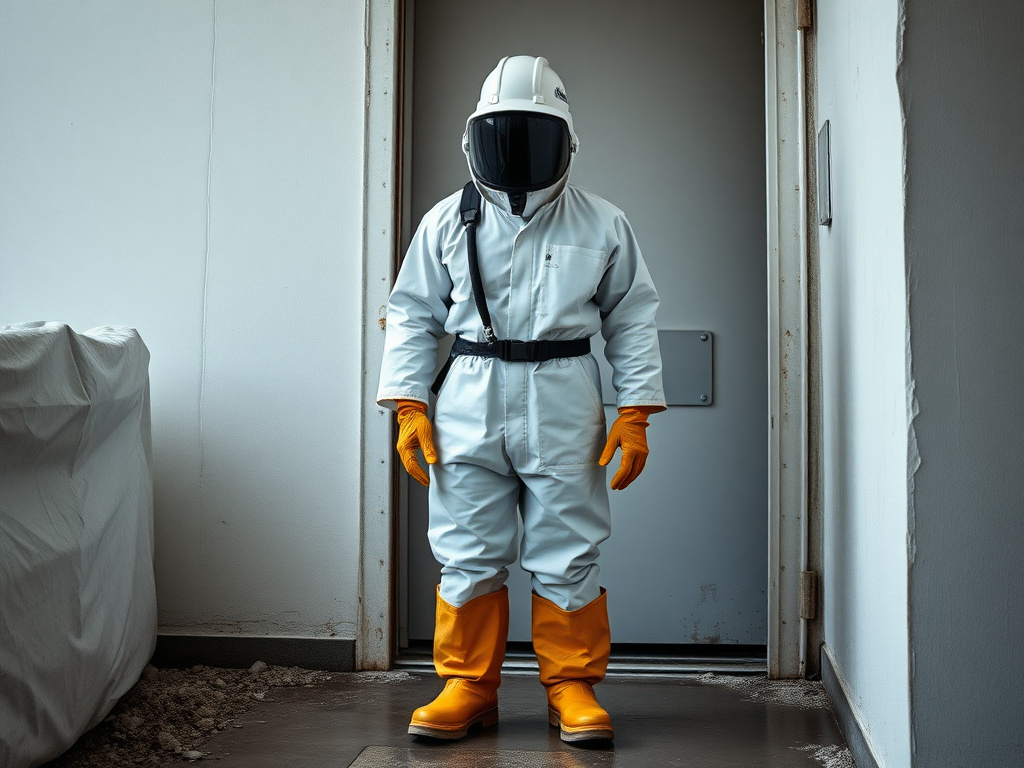
The person operating the spray gun has the highest direct exposure and needs coverage with no gaps — a disposable or reusable chemical-resistant coverall, hood, gloves taped or sealed at the cuff, and boot covers are typical minimums for indoor and enclosed-space application. Any exposed skin at the wrists, ankles, or neck is a real exposure pathway, not a minor gap.
Coverall material matters. General-purpose work coveralls are not the same as chemical-splash-rated protective clothing — check the manufacturer's chemical resistance data against isocyanates specifically before treating a coverall as adequate.
Gloves and hand protection
Isocyanates can penetrate many common glove materials over time. Nitrile and other chemical-resistant glove types with documented resistance to isocyanates are standard; general fabric or leather work gloves are not a substitute during active spraying or handling of uncured material.
Eye and face protection
A full-facepiece respirator typically covers both respiratory and eye/face protection during application. Where a half-mask or supplied-air hood is used instead, separate chemical splash goggles are needed to protect against aerosol contact with the eyes.
PPE for helpers and other crew on site
Anyone working in or near the spray zone during and shortly after application — not just the applicator — needs an appropriate level of skin and respiratory protection based on your hazard assessment. This should be spelled out by role in your written program, not left to individual judgment on the day.
PPE Requirements — what should be on file
- 1Written PPE hazard assessment on file, certified per OSHA's requirement
- 2Chemical-resistant coveralls with no exposed skin for the applicator
- 3Isocyanate-rated gloves specified by brand/material, not generic 'work gloves'
- 4Eye/face protection plan documented for both respirator and non-respirator scenarios
- 5PPE provided to employees at no cost, per 1910.132
- 6PPE training documented for every crew member, refreshed when equipment changes
See our templates & checklists page for what a downloadable-style version of this checklist should include.
PPE Requirements FAQs
It depends on the specific suit's chemical rating — not all disposable coveralls are rated for isocyanate resistance. Check the manufacturer's chemical permeation data before treating any disposable suit as adequate for SPF application, and don't assume general dust/paint coveralls provide the same protection.
OSHA's general PPE standard, 29 CFR 1910.132, doesn't name spray foam specifically — it requires employers to do a hazard assessment and select PPE that addresses the hazards found. For SPF, that assessment consistently points to full-body chemical-resistant coverage, isocyanate-rated gloves, and eye/face protection, based on industry health and safety guidance for this trade.
The employer does. OSHA's PPE standard is explicit that an employer cannot require employees to provide or pay for their own required PPE, with narrow exceptions that generally don't apply to SPF-specific protective equipment.
Other core program elements
Respiratory Protection
A written program covering respirator selection, fit testing, medical evaluations, and use — built around OSHA's respiratory protection standard.
Read moreChemical Handling & Isocyanate Safety
Exposure limits, safety data sheets, and safe storage/handling for the two-component chemistry behind SPF.
Read moreVentilation & Air Monitoring
Engineering controls and re-entry timing that reduce exposure before PPE is even needed.
Read moreGet your crew's safety program moving
Tell us where your crew stands today and what you need — checklists, a training log, or help getting a program started from zero.