Ventilation & Air Monitoring
Ventilation is an engineering control, and OSHA's general framework favors engineering and administrative controls ahead of relying on PPE alone wherever they're feasible. For SPF work, that means mechanical ventilation of the work area during and after spraying, and a clear, documented re-entry plan before anyone without respiratory protection goes back into the space.
There isn't a single OSHA numeric ventilation standard written specifically for SPF, but EPA and OSHA have published joint guidance on ventilation practices for SPF installation, and general industry standards on air contaminants and hazard communication apply throughout.
OSHA's Hazard Communication standard — requires access to safety data sheets, which include manufacturer re-entry and ventilation guidance for the specific SPF system in use.
What this program element needs to cover
Engineering controls come first
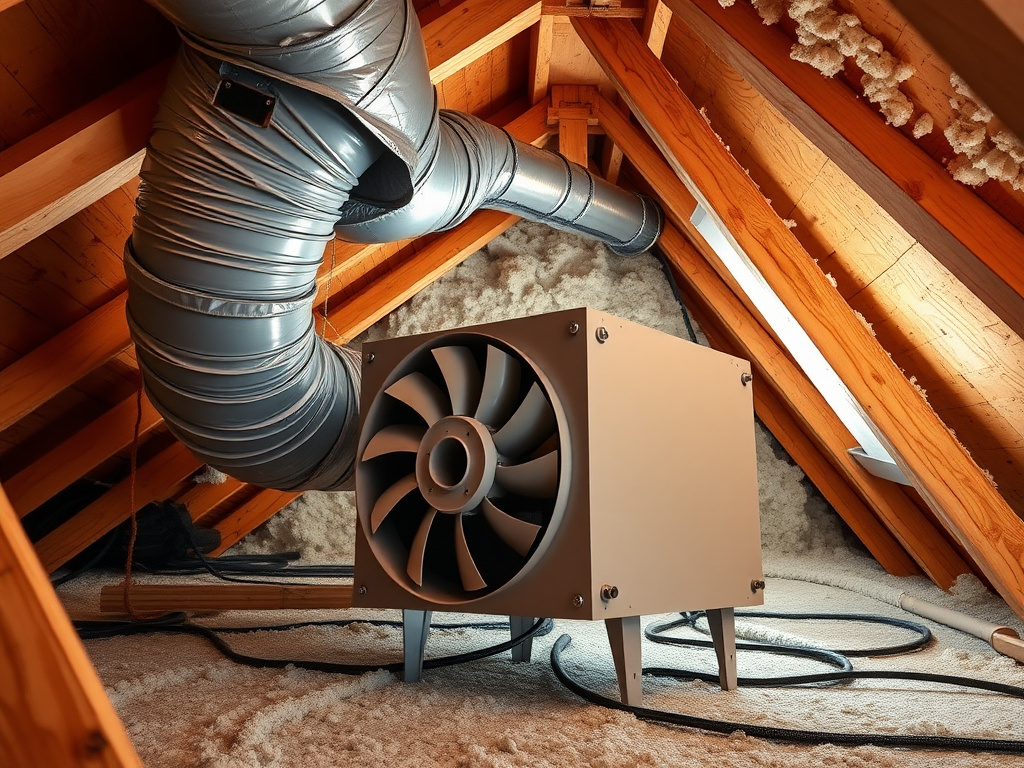
OSHA's general approach to controlling chemical exposure favors engineering controls — like ventilation — and administrative controls ahead of PPE, because PPE depends on correct use every single time while a properly designed ventilation setup reduces the hazard at the source. For SPF, this typically means active mechanical ventilation (fans, exhaust) of the space being sprayed, not just opening a window.
Isolating the work area
Sealing off the space being sprayed from adjoining occupied areas — including turning off or isolating HVAC systems that could pull aerosols into other parts of a building — is a standard practice for both new-construction and retrofit/occupied-structure SPF jobs.
This matters even more on occupied-structure retrofit work, where homeowners, other trades, or building occupants may be present elsewhere in the structure during application.
Re-entry timing
The manufacturer's safety data sheet (SDS) for the specific SPF system being used will typically specify a minimum ventilation and re-entry period before someone without respiratory protection should re-enter the sprayed space. That timeframe varies by product chemistry and is not something to standardize across every SPF system a crew might use — always check the SDS for the actual product on the job.
What air monitoring adds
Direct-reading air monitoring for isocyanates is a more advanced control that some larger operations use to confirm exposure levels rather than relying solely on time-based re-entry rules. For most SPF contractor crews, a documented, conservative re-entry procedure combined with proper ventilation and PPE is the practical foundation — monitoring equipment and protocols should be added where the hazard assessment or a safety consultant recommends it.
Ventilation & Air Monitoring — what should be on file
- 1Mechanical ventilation plan documented for each job type (attic, crawl space, open framing, occupied space)
- 2HVAC isolation procedure for occupied-structure retrofit jobs
- 3SDS on file and referenced for re-entry timing on every SPF product in use
- 4Re-entry procedure communicated to homeowners/other trades before the job, not just the crew
- 5A record of when ventilation started and when re-entry was cleared, kept per job
See our templates & checklists page for what a downloadable-style version of this checklist should include.
Ventilation & Air Monitoring FAQs
It depends on the specific SPF product's chemistry, the volume sprayed, and the ventilation in place — always check the manufacturer's safety data sheet (SDS) for the product used on that job rather than applying a single rule of thumb across every system.
Generally, no — for indoor and enclosed-space SPF application, mechanical ventilation (fans, exhaust) is the standard practice because it provides more reliable, controllable airflow than relying on open windows or doors alone.
Yes. Any other workers or occupants who could be in or near the sprayed space during application or before re-entry timing has passed need to be informed and kept out — this should be part of your written site plan for every job, not an informal heads-up.
Other core program elements
Respiratory Protection
A written program covering respirator selection, fit testing, medical evaluations, and use — built around OSHA's respiratory protection standard.
Read moreChemical Handling & Isocyanate Safety
Exposure limits, safety data sheets, and safe storage/handling for the two-component chemistry behind SPF.
Read morePPE Requirements
Full-body coverage requirements — coveralls, gloves, eye and face protection — for anyone in the spray zone.
Read moreGet your crew's safety program moving
Tell us where your crew stands today and what you need — checklists, a training log, or help getting a program started from zero.