Respiratory Protection Program
Spray polyurethane foam (SPF) application generates airborne isocyanate aerosols and vapors, along with other reactive chemical byproducts, during and immediately after spraying. For most indoor and enclosed-space SPF work, engineering controls alone typically can't bring exposure down to safe levels, which is why supplied-air or full-facepiece respirators are standard practice for applicators and often for helpers working nearby.
OSHA's respiratory protection standard, 29 CFR 1910.134, is the general industry standard that governs respirator use whenever respiratory protection is required. It is not SPF-specific, but it is the standard SPF contractors build their respiratory protection program around, because it sets out exactly what a compliant program has to include.
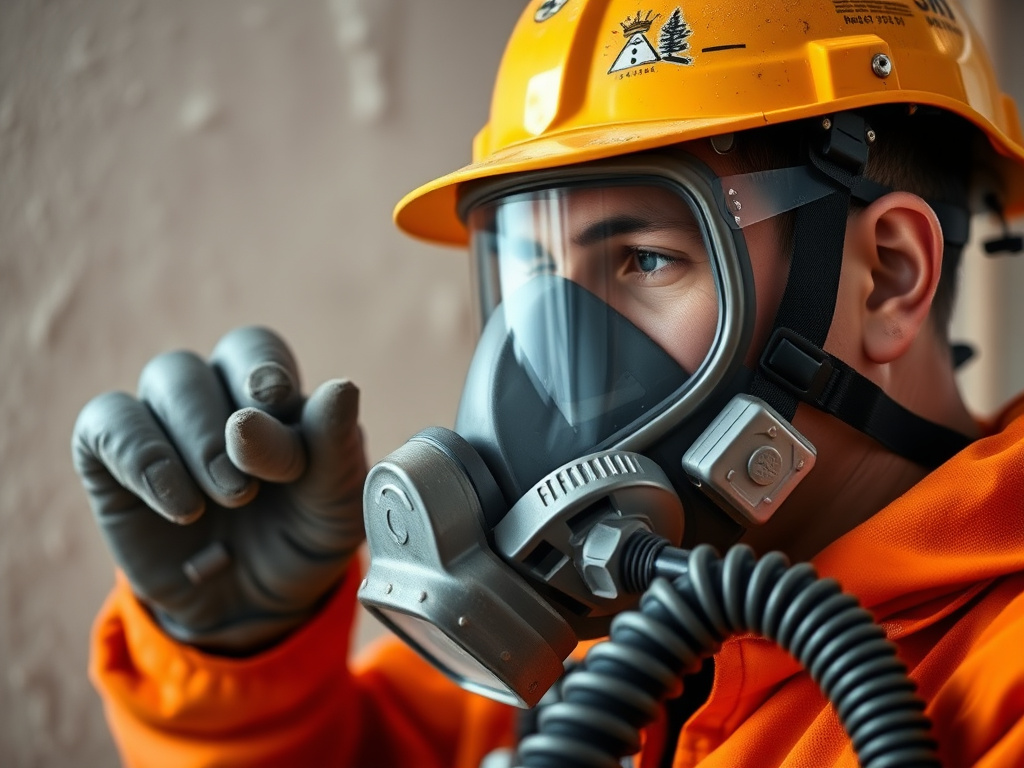
OSHA's respiratory protection standard — the core standard for any employer requiring respirator use, including SPF applicators and helpers.
What this program element needs to cover
Why SPF crews need a written program, not just respirators on hand
Owning respirators isn't the same as having a respiratory protection program. OSHA's standard requires a written program specific to the workplace — meaning it has to reflect how your crew actually works, what SPF systems you spray, and what job sites look like (attic, crawl space, open new-construction framing, occupied structure, etc.).
That written program needs a designated administrator with the knowledge to run it, not just a name on a binder. For a small SPF crew, this is often the owner or a lead foreman who has been trained specifically on the program's requirements.
Selecting the right respirator for the job
Respirator selection has to match the hazard. Isocyanate exposure during active spraying is the primary driver — many SPF operations use supplied-air respirators (SAR) for the applicator inside an enclosed or poorly ventilated space, since air-purifying respirator cartridges have documented limitations against isocyanates, particularly for extended spray sessions.
The selection decision should be documented and should account for the specific SPF system's chemistry, the space being sprayed (enclosed attic vs. open framing), and the duration of exposure — not applied as a blanket assumption across every job.
- Supplied-air respirators (SAR) for indoor/enclosed application, per common industry and OSHA guidance
- Full-facepiece respirators for eye and face protection during and shortly after application
- Air-purifying respirators only where the hazard assessment supports their use and cartridge service life is tracked
Medical evaluations and fit testing
Before any employee is fit tested or required to wear a respirator on the job, OSHA requires a medical evaluation to confirm they're physically able to use one — respirators add breathing resistance and physiological load that isn't safe for everyone.
Fit testing (qualitative or quantitative, using an OSHA-accepted protocol) must happen before first use and at least annually after that, and any time facial structure changes, weight changes significantly, or a different respirator model or size is used. Fit test records need to be kept until the next test.
Training and program evaluation
Employees need training on why the respirator is necessary, its capabilities and limitations, how to inspect, don, and doff it properly, and how to recognize signs it isn't sealing correctly. This training has to happen before first use and be refreshed when conditions change.
OSHA also expects periodic evaluation of the program itself — checking that it's working in practice on real job sites, not just on paper.
Respiratory Protection — what should be on file
- 1Written respiratory protection program on file with a named administrator
- 2Hazard assessment documenting why respirators are required and which type for which task
- 3Medical evaluation completed before fit testing for every respirator wearer
- 4Fit test records on file and current (annual, or after any relevant change)
- 5Respirator training documented for every crew member who wears one
- 6A process for inspecting, cleaning, and maintaining respirators between jobs
See our templates & checklists page for what a downloadable-style version of this checklist should include.
Respiratory Protection FAQs
Often yes. Isocyanate aerosols and vapors don't stay contained to exactly where the gun is pointed, especially in enclosed spaces like attics. Many SPF operations require full-facepiece or supplied-air protection for anyone in the work area during and shortly after spraying, not just the person holding the gun. Your hazard assessment should address this directly rather than assuming only the applicator needs protection.
At minimum, annually — plus any time there's a change that could affect the seal, like a different respirator model, significant weight change, dental work, facial scarring, or new facial hair in the sealing area.
No. Isocyanates are a chemical vapor and aerosol hazard, not a nuisance-dust hazard — a simple filtering-facepiece dust mask does not provide the protection needed during active SPF application and is not an appropriate substitute for a properly selected respirator under a written program.
Other core program elements
PPE Requirements
Full-body coverage requirements — coveralls, gloves, eye and face protection — for anyone in the spray zone.
Read moreChemical Handling & Isocyanate Safety
Exposure limits, safety data sheets, and safe storage/handling for the two-component chemistry behind SPF.
Read moreTraining & Recordkeeping
What has to be documented, how long to keep it, and why paper trail matters as much as the training itself.
Read moreGet your crew's safety program moving
Tell us where your crew stands today and what you need — checklists, a training log, or help getting a program started from zero.